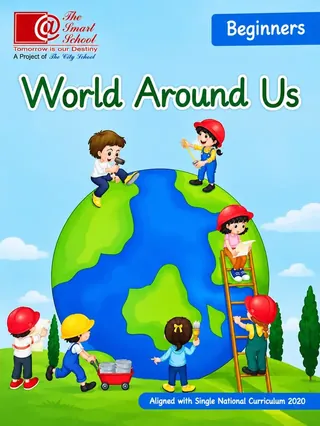
The Smart School Prep – World Around Us, Beginners (Session 2027-28)
The Smart School (A Project of The City School)
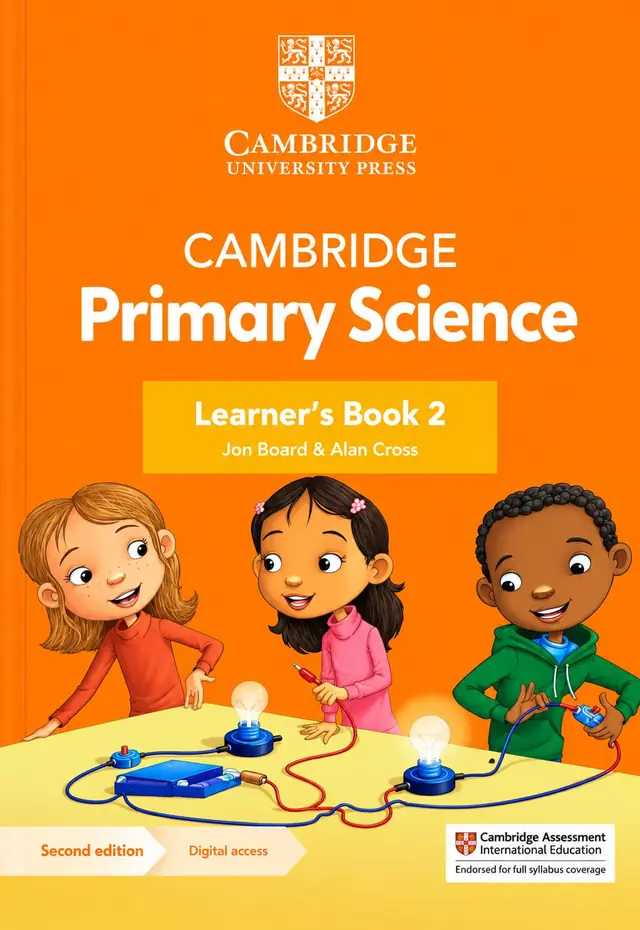
Cambridge Primary Science Learner's Book 2, Second edition, by Jon Board and Alan Cross, with digital access, for session 2027-28: six units from habitats and forces to light and electricity, for Class 2 (Stage 2).
Cambridge Primary Science Learner's Book 2 (Second edition) by Jon Board and Alan Cross is the main science coursebook for Class 2, which Cambridge calls Stage 2. It has six units: environments and habitats, forces and movement, getting materials right, humans and animals grow, light, and electricity. This page is written for parents and teachers planning for the 2027-28 session.
Exams Book House, Shop Number 4, Al Fazal Market, Urdu Bazar, Lahore, supplies it with cash on delivery across Pakistan and delivery to the Gulf countries.
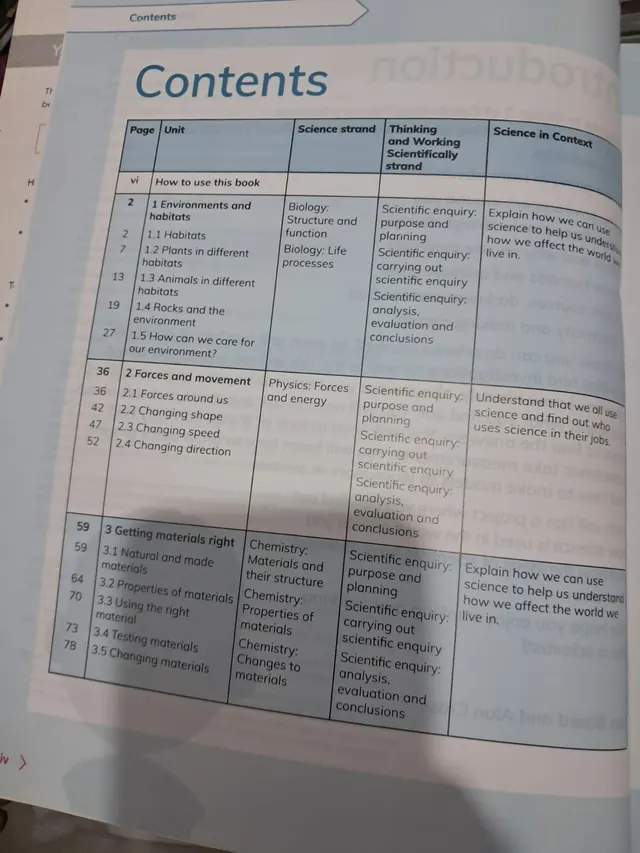
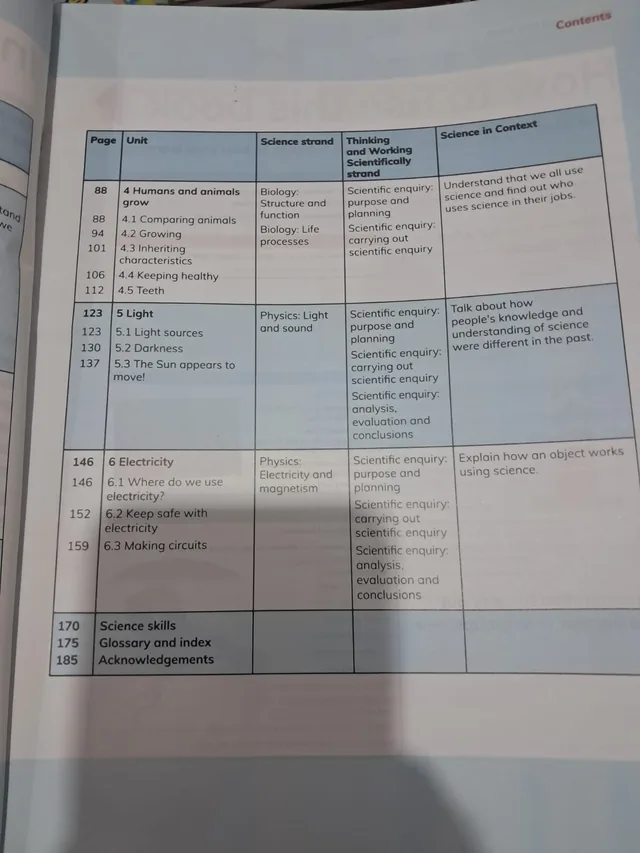
It is the student book for the second year of Cambridge Primary Science. Every unit is divided into short topics, and the contents page shows three extra layers for each unit: the science strand (such as Biology, Physics or Chemistry), the Thinking and Working Scientifically strand (planning an enquiry, carrying it out, and analysing and concluding) and a Science in Context idea that links the topic to real life. This is helpful for teachers, who can see exactly what skills each unit trains.
The "Science skills" section on page 170 gathers the practical skills that children use across the book, such as observing and recording, so it is worth reading together with your child at the start of the year.
| Page | Unit and topics | Science strand |
|---|---|---|
| vi | How to use this book | |
| 2 | 1 Environments and habitats: 1.1 Habitats (2); 1.2 Plants in different habitats (7); 1.3 Animals in different habitats (13); 1.4 Rocks and the environment (19); 1.5 How can we care for our environment? (27) | Biology: Structure and function; Biology: Life processes |
| 36 | 2 Forces and movement: 2.1 Forces around us (36); 2.2 Changing shape (42); 2.3 Changing speed (47); 2.4 Changing direction (52) | Physics: Forces and energy |
| 59 | 3 Getting materials right: 3.1 Natural and made materials (59); 3.2 Properties of materials (64); 3.3 Using the right material (70); 3.4 Testing materials (73); 3.5 Changing materials (78) | Chemistry: Materials and their structure; Properties of materials; Changes to materials |
| 88 | 4 Humans and animals grow: 4.1 Comparing animals (88); 4.2 Growing (94); 4.3 Inheriting characteristics (101); 4.4 Keeping healthy (106); 4.5 Teeth (112) | Biology: Structure and function; Life processes |
| 123 | 5 Light: 5.1 Light sources (123); 5.2 Darkness (130); 5.3 The Sun appears to move! (137) | Physics: Light and sound |
| 146 | 6 Electricity: 6.1 Where do we use electricity? (146); 6.2 Keep safe with electricity (152); 6.3 Making circuits (159) | Physics: Electricity and magnetism |
| 170 | Science skills | |
| 175 | Glossary and index | |
| 185 | Acknowledgements |
It teaches science as something to do and not only to read. The three strands on the contents page show that every unit includes practical enquiry, and the real-life context ideas make topics such as electricity and habitats feel close to a child's life. The page numbers above make it easy to find any lesson.
The units are usually taught in order across the school year, from habitats (unit 1) to electricity (unit 6). Your school will tell you which units it covers in which term.
If your school's 2027-28 list names Cambridge Primary Science Learner's Book 2 (Second edition), this is the book. We supply the newest printing we receive; send us your list on WhatsApp and we will tell you what we can get for you.
cambridge primary science learner's book 2 · cambridge science class 2 · stage 2 science board cross · 9781108742740 · cambridge primary science second edition class 2 2027-28 · urdu bazar lahore cambridge books · کیمبرج پرائمری سائنس 2
Yes, if your school's 2027-28 list names the Cambridge Primary Science Learner's Book 2 (Second edition).
Class 2, which Cambridge calls Stage 2.
No. A workbook is a separate book. Ask your school whether one is needed.
Six units, plus a science skills section, as listed above.
Yes, all over Pakistan with cash on delivery, and to the Gulf countries. WhatsApp 0317 4846676.